Overview
Interactive interfaces are more than animations: they are a conversation with the user. This article explains the principles, patterns and trade-offs I use when building premium interactive experiences on the web.
Core principle: clarity over cleverness
Interaction should clarify intent, not obscure it. Use motion to guide attention, not to decorate. Every animation must have a purpose: show hierarchy, indicate change of state, or reassure the user that an action succeeded.
Performance-first component design
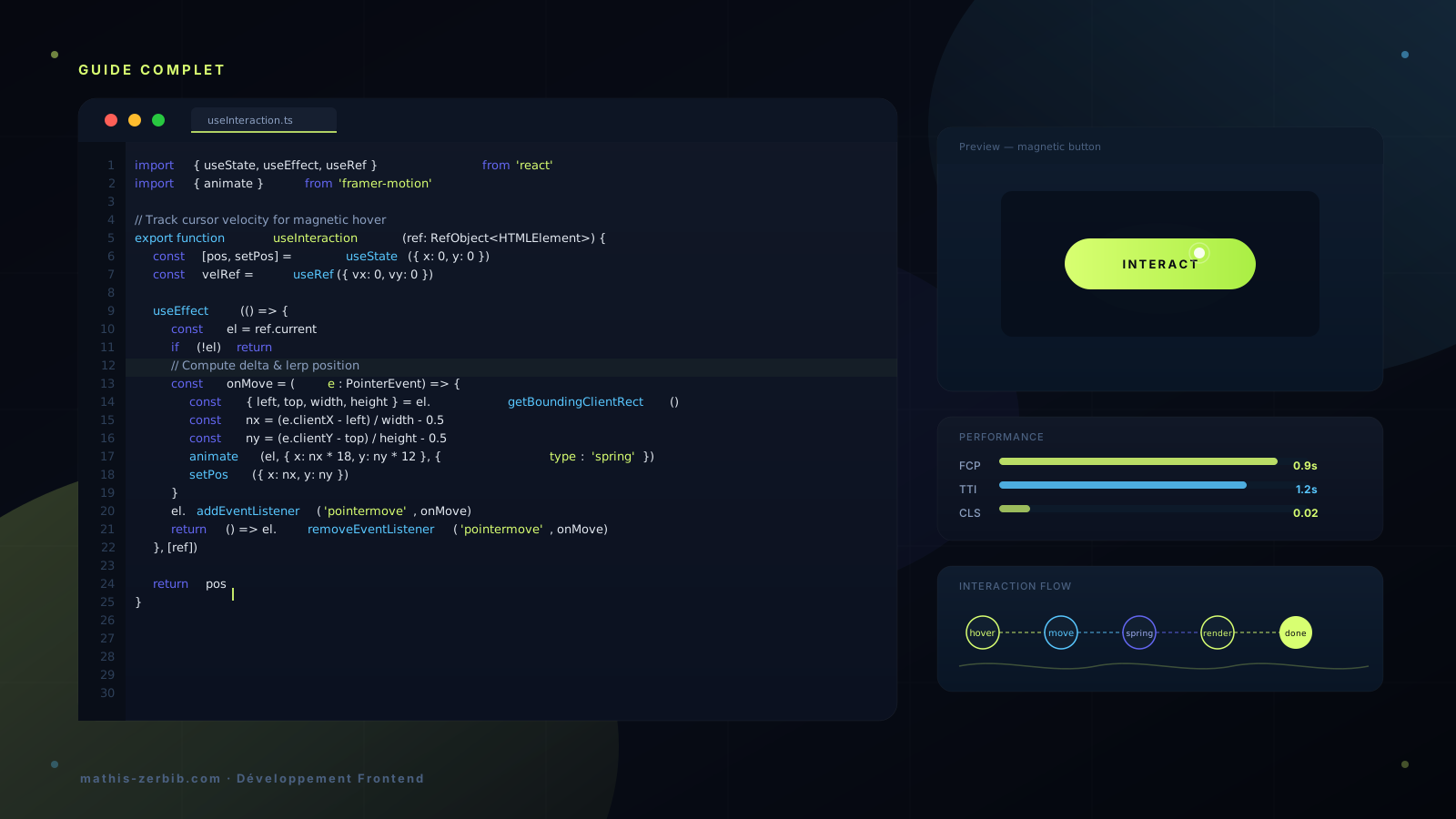
Treat the first viewport as a performance contract. Reserve space for media, use responsive image techniques, prefer transforms and opacity for motion, and lazy-load non-critical assets. Measure perceived performance: time-to-interactive and time-to-first-meaningful-paint matter for conversion.
Progressive enhancement and accessibility
Design interactions that work with reduced motion, keyboard navigation and screen readers. Default to simple, semantic HTML and layer JavaScript enhancements. This reduces layout shift and keeps content indexable by search engines.